
VA license plate lookup · plate to VIN
Virginia License Plate Lookup
A Virginia license plate lookup turns the plate into the car's VIN in seconds, then one report: odometer readings in miles, police-reported crashes, salvage and auction history with photos, title brands such as Salvage, Rebuilt and Nonrepairable, open recalls and factory specs, from records in all states. Virginia law treats owner, driver and vehicle records as privileged under Va. Code § 46.2-208, so the DMV will not tell a stranger who owns a car, and neither do we. Plates stay with the owner here, so the VIN carries the car's real story. No account needed.
Full report $9.99. One payment, no subscription.
- Records from all states
- No account, no survey
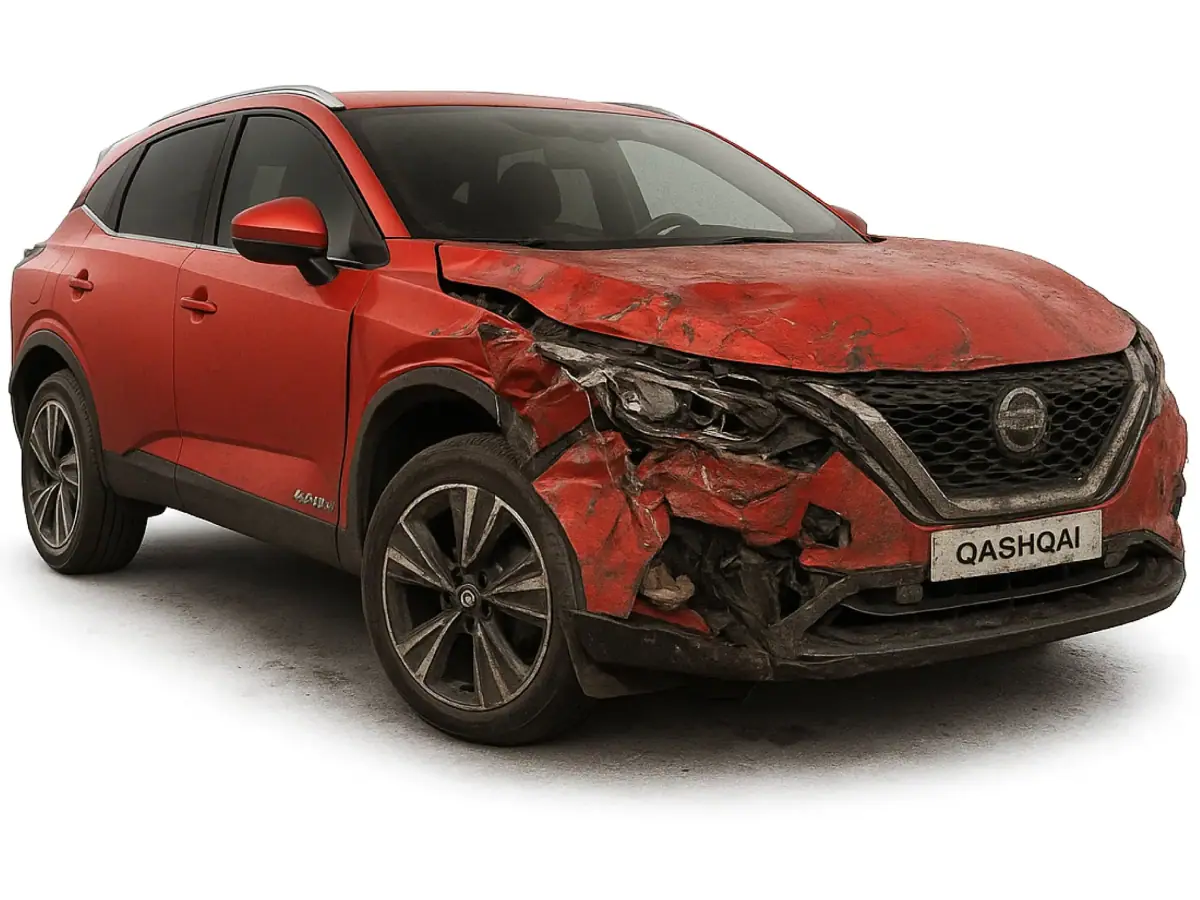
How a Virginia plate lookup works
Type the VA plate exactly as it reads on the car and keep Virginia selected. The plate is only the way in: we match it to the car's VIN, and the VIN carries the history. A Virginia tag lookup works the same way.
1. Enter the plate
Type the Virginia plate and pick the state. Spaces and dashes don't matter.
2. We find the car's VIN
The plate turns into the car's 17-character VIN in seconds, and you see the decoded year, make and model before you pay.
3. Open the full history report
One payment of $9.99, no account. The report opens at once, with records from all states.
What the report includes
One report for the VIN behind the plate, searched across all states:
Odometer readings in miles
Dated readings from state safety and emissions inspections and auction sales, with a rollback check.
All states
Police-reported crashes
Crashes involving this VIN, with the year, plus the damage recorded when the car was sold at auction.
All states
Salvage and auction history, with photos
Insurance and salvage auction sales of this VIN: sale date, damage type, title, odometer at sale and the auction photos.
All states
Title brands
Salvage, rebuilt, flood and junk brands, so you know what the title says before the seller tells you.
Recalls and owner complaints
Safety recalls and owner complaints filed with NHTSA for the model and model year.
Model-level
Factory specs
Model year, make, model, trim, engine, transmission, drivetrain and assembly plant, decoded from the VIN.
Every VIN
Virginia license plate formats
Virginia had 7,985,530 registered vehicles in 2024. Source: FHWA
| Plate | Format | Example | Notes |
|---|---|---|---|
| Standard passenger | ABC-1234 | TRW-5163 | Three letters and four digits; current series since March 2014. Standard-issue plates carry no separate plate fee. |
| Personalized | Up to 7 characters | VA LUV | $10 a year on top of registration and any special plate fee. |
Virginia's DMV issues two plates for a passenger car, and Va. Code § 46.2-715 requires them on the front and the rear. Mopeds, motorcycles, autocycles and trailers carry a single plate on the back. The standard passenger format is three letters and four digits (ABC-1234), used for the current series since 2014, under the familiar Virginia Is For Lovers slogan. Standard-issue plates carry no separate plate fee, and personalizing a plate adds $10 a year. Plates belong to the owner, not the car. The seller takes them off before the buyer drives away, then moves them to a replacement vehicle or turns them in, with a partial refund possible when six or more months remain on the registration. Moving plates to a car in the same weight class costs $2, and plates cannot pass from one owner to another. Registration for a passenger car up to 4,000 pounds is $30.75 a year, or $35.75 up to 6,500 pounds. Cars garaged in the Northern Virginia emissions area pay $2 more, some localities add their own registration fee, and a Highway Use Fee may apply. Dealers print 30-day temporary tags on demand. A trip permit costs $5, and renewing after expiration adds a $10 late fee.
Front plate rule
Virginia requires a plate on the front and the rear of a passenger car, so you can read either one.
Virginia fees at a glance
What Virginia DMV and its offices charge for titles, registration and plates, as published. Each row links its source.
| Fee | Amount | Details | Source |
|---|---|---|---|
| Original title | $15 | Virginia DMV | |
| Substitute (duplicate) title | $15 | Virginia DMV | |
| Supplemental lien title | $15 | Virginia DMV | |
| Passenger registration, 4,000 lbs or less | $30.75 | Per year. Plus $2 in the Northern Virginia emissions localities, any local registration fee, and a Highway Use Fee where it applies. | Virginia DMV |
| Passenger registration, 4,001 to 6,500 lbs | $35.75 | Per year, with the same add-ons. | Virginia DMV |
| Registration transfer | $2 | Moving your plates to another vehicle you own of the same weight class. | Virginia DMV |
| Personalized plate | $10 per year | In addition to registration and special plate fees. | Virginia DMV |
| Trip permit | $5 | Virginia DMV | |
| Registration late fee | $10 | Virginia DMV | |
| Prospective purchaser inquiry | $12 | DMV vehicle history summary by VIN. | Virginia DMV |
| Vehicle record | $9 ($8 online) | Released only to requesters who qualify under Va. Code § 46.2-208. | Virginia DMV |
| Rebuilt vehicle examination | $125 | Va. Code § 46.2-1605(B)(1). | Virginia DMV |
| Motor vehicle sales and use tax | 4.15% ($75 minimum) | Of the sales price. | Virginia DMV |
Title brands in Virginia
A brand on a Virginia title records that the car was a total loss, rebuilt or damaged by water, and it stays on later titles. The report lists the title brands recorded for the VIN.
| Brand | What it means | Law | Source |
|---|---|---|---|
| Salvage | A late model vehicle acquired by an insurer in the claims process (other than a stolen vehicle), one damaged so repairs exceed its actual cash value less salvage value, or a recovered stolen vehicle with repairs over 75% of its value. A salvage vehicle cannot be registered or driven on Virginia highways while the salvage certificate is active. | Va. Code § 46.2-1600 | Source |
| Rebuilt | A salvage vehicle repaired for highway use, or a late model vehicle repaired after damage estimated at more than 75% of its actual cash value. DMV examines it ($125) before titling, and the title is permanently branded. Sellers must disclose it in writing (VSA 59). | Va. Code §§ 46.2-1600, 46.2-1605 | Source |
| Nonrepairable | A vehicle its insurer or owner determined has no value except as parts and scrap metal, covered by a nonrepairable certificate. DMV will not issue a junk title for a vehicle that received a Virginia nonrepairable certificate. | Va. Code § 46.2-1600 | Source |
Buying a used car in Virginia
In a private sale, the seller fills in the odometer reading on the Virginia title (DMV says not to guess or estimate), signs it over, removes the plates and reports the sale to DMV. You complete the Certification of Buyer section and the registration application, then pay the $15 title fee and the 4.15% motor vehicle sales and use tax, with a $75 minimum, on the price shown on a bill of sale, buyer's order or the title. Before you drive it, the car must pass Virginia's annual safety inspection and show a valid sticker, and cars garaged in Arlington, Fairfax, Loudoun, Prince William and Stafford counties and nearby cities need an emissions test every two years. Virginia's brands are set in Va. Code § 46.2-1600. A Salvage vehicle is a late model car an insurer took in a claim or one that costs more to fix than it is worth. A Rebuilt vehicle was repaired, examined by DMV for $125 and permanently branded under § 46.2-1605, and the seller must disclose it in writing. A Nonrepairable vehicle is good only for parts and scrap. DMV records can also carry notes such as water damage, so check the VIN before you meet the seller.
- Private sale
- The seller records the odometer reading on the Virginia title (DMV says not to guess or estimate), signs it over, removes the plates and notifies DMV of the sale. You complete the Certification of Buyer and registration sections of the title, then pay the $15 title fee and 4.15% sales and use tax ($75 minimum), with a bill of sale or buyer's order as proof of price.
- Dealer sale
- A dealer processes the title and registration and can issue a 30-day temporary tag; the vehicle may take up to 30 days to appear in your DMV record. A rebuilt vehicle must come with the written Rebuilt Vehicle disclosure (VSA 59).
Official Virginia vehicle tools
These tools are run by state and federal agencies, not by Carlytics. Use them next to the report.
Prospective Purchaser Inquiry (PPI)
Virginia DMV summary: vehicle description, current notes such as water damage, vehicle history, sold date and state. No personal data about previous owners. $12 per vehicle.
You enter: VIN + make + model
U.S. Department of Justice portal naming approved providers of National Motor Vehicle Title Information System reports.
You enter: VIN
Open safety recalls on the vehicle from the federal safety regulator.
You enter: VIN
Insurance industry check for theft and total-loss records reported by participating insurers.
You enter: VIN
Vehicle inspection in Virginia
Virginia annual safety inspection; Air Check Virginia emissions inspection (Northern Virginia)
A vehicle must pass an annual safety inspection and display a valid sticker before it is operated in Virginia. Vehicles garaged in Arlington, Fairfax, Loudoun, Prince William or Stafford counties or the cities of Alexandria, Fairfax, Falls Church, Manassas or Manassas Park need a passing emissions test or waiver every two years to register or renew. Source
What Virginia vehicle records show
Under Va. Code § 46.2-208, personal, driver and vehicle information in DMV records is privileged. DMV releases it only in the situations listed in subsection B, such as vehicle information to the vehicle's owner, and a business can get vehicle information without personal information on written request. A vehicle record costs $9, or $8 online. For buyers, Virginia offers the Prospective Purchaser Inquiry. For $12 per vehicle, you enter the make, model and VIN and get DMV's own summary: description, notes such as water damage, vehicle history and the date and state where the car was sold, with no personal data about past owners. It draws on Virginia DMV records only, so crashes, auctions and odometer readings from other states come from a VIN history report, which is where the plate lookup takes you.
Virginia license plate privacy law
Virginia follows the federal Driver's Privacy Protection Act (18 U.S.C. 2721) and adds its own law:
Va. Code § 46.2-208
Records with personal, driver or vehicle information are privileged and may be released only in the situations listed in § 46.2-208(B), for example vehicle information to the vehicle owner, or vehicle information without personal information to a business on written request. DMV may charge a reasonable fee. The PPI report contains no personal information about previous owners.
What our lookup shows
Vehicle data only: the VIN, odometer readings, crashes, auction history with photos, title brands, recalls and factory specs. Never the owner's name, address or phone number.
See what a report looks like
A real report for a real car, every section included:
Sample report: 2017 Chevrolet Traverse
- Latest odometer reading: 104,351 mi at a New York State inspection on Mar 26, 2026
- 5 dated odometer readings, no decrease
- Police-reported crash in New York, 2021
- 3 safety recalls for the model
Look up a Virginia license plate
Virginia tag or plate, the result is the same: the car's VIN in seconds, then its full history for $9.99. Checking several cars? $19.99 for three, $29.99 for five.
Virginia license plate lookup questions
Can I find out who owns a car from its Virginia license plate?
No. Va. Code § 46.2-208 makes personal, driver and vehicle information in DMV records privileged, and DMV releases it only to requesters who meet the exceptions in the statute, such as the vehicle's owner. Even DMV's Prospective Purchaser Inquiry leaves out previous owners' personal data. Our lookup returns the VIN and the vehicle's history, never owner details.
Do Virginia license plates stay with the car when it is sold?
No. Virginia plates belong to the owner. The seller removes them before the buyer takes the car, then moves them to a replacement vehicle for $2 or turns them in, with a partial refund possible when six or more months remain. Plates cannot be transferred from one owner to another, so you register the car and get your own plates.
How much does it cost to title and register a car in Virginia?
Registration for a passenger car up to 4,000 pounds costs $30.75 a year ($35.75 up to 6,500 pounds), and the title fee is $15. You also pay 4.15% motor vehicle sales and use tax with a $75 minimum. Northern Virginia emissions localities add $2, some localities charge local fees, and a Highway Use Fee may apply.
Is a front license plate required in Virginia?
Yes. Va. Code § 46.2-715 requires plates on the front and the rear of most vehicles, and passenger cars are issued two plates. Mopeds, motorcycles, autocycles, trailers and semitrailers display a single plate on the back. Personalized plates follow the same rule and cost $10 a year on top of registration.
What is a Virginia Prospective Purchaser Inquiry?
It is a Virginia DMV report for people about to buy a car. You provide the make, model and VIN and pay $12 per vehicle online, by mail with form CRD-01, or at a customer service center. It shows the vehicle description, current notes such as water damage, vehicle history and the sold date and state, from Virginia DMV records.
Does Virginia require a car inspection?
Yes. A car must pass Virginia's annual safety inspection and display a valid sticker before it is driven. Cars garaged in Arlington, Fairfax, Loudoun, Prince William or Stafford counties, or the cities of Alexandria, Fairfax, Falls Church, Manassas or Manassas Park, also need an emissions test or waiver every two years to register or renew.
Plate lookup in nearby states
Run the Virginia plate before you pay
Enter the plate, check the decoded car, then open the full report.
Card, Apple Pay or Google Pay through Stripe.
Sources
The fees, laws and rules on this page were checked against these official sources on Oct 30, 2026.
Show all 19 sources
- www.fhwa.dot.gov/policyinformation/statistics/2024/mv1.cfm
- www.dmv.virginia.gov/sites/default/files/forms/dmv201.pdf
- www.dmv.virginia.gov/vehicles/buy-sell
- www.dmv.virginia.gov/vehicles/title
- www.dmv.virginia.gov/records/ppi
- www.dmv.virginia.gov/records/release
- www.dmv.virginia.gov/vehicles/license-plates/plate-create
- transactions-t.dmv.virginia.gov/webdoc/pdf/vsa14i.pdf
- www.dmv.virginia.gov/businesses/dealer-services/pod-intro
- www.dmv.virginia.gov/vehicles/title/sal-veh-law-req
- law.lis.virginia.gov/vacode/title46.2/chapter16/section46.2-1600/
- law.lis.virginia.gov/vacode/title46.2/chapter16/section46.2-1605/
- law.lis.virginia.gov/vacode/title46.2/chapter2/section46.2-208/
- law.lis.virginia.gov/vacode/title46.2/chapter7/section46.2-715/
- www.deq.virginia.gov/air-energy/vehicle-emissions-air-check
- en.wikipedia.org/wiki/Vehicle_registration_plates_of_Virginia
- vehiclehistory.bja.ojp.gov/
- www.nhtsa.gov/recalls
- www.nicb.org/vincheck